Explore a dynamic stretch of California Route 2 through Los Angeles—from the boutiques of Beverly Hills to the breezy streets of Santa Monica. Discover urban contrasts, historic Route 66 traces, and Westside charm along Santa Monica Boulevard.


California’s state highway system is one of the largest and most diverse in the United States, covering over 15,000 miles of roadways across every kind of terrain—from coastal cliffs and desert expanses to redwood forests and urban sprawl. These highways, designated with route numbers such as State Route 1 (SR 1) or CA-99, play a vital role in connecting local communities, supporting tourism, and linking remote areas to major cities. Many of these roads are also designated as scenic byways or part of the National Highway System due to their historical, environmental, or economic significance.
One of the most iconic routes is California State Route 1 (Pacific Coast Highway), which hugs the coastline from Orange County to Mendocino County and offers breathtaking ocean views. Equally important is California State Route 99, a major north–south artery through the Central Valley that once served as the main inland corridor before the completion of Interstate 5. Other notable routes include CA-49 (the Golden Chain Highway), which runs through Gold Rush country, and CA-120, which serves as a primary access route to Yosemite National Park.
California’s state highways vary widely in character: some are multi-lane expressways or urban freeways, while others are narrow, winding mountain roads. Caltrans (California Department of Transportation) manages the construction, maintenance, and signage for all state routes. Whether you're navigating the serpentine turns of CA-2 through Angeles National Forest or cruising the agricultural heartland via CA-198, these highways reflect California’s geographical diversity and cultural legacy.
Explore a dynamic stretch of California Route 2 through Los Angeles—from the boutiques of Beverly Hills to the breezy streets of Santa Monica. Discover urban contrasts, historic Route 66 traces, and Westside charm along Santa Monica Boulevard.
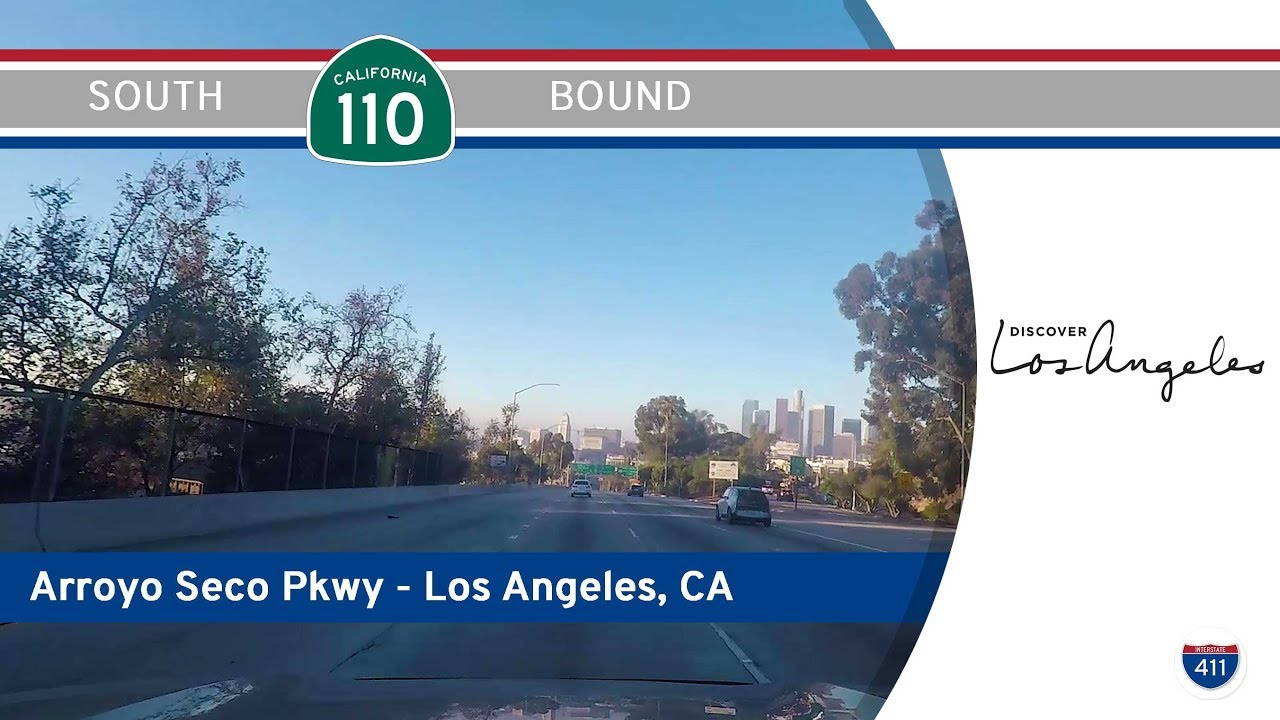
Take a scenic and historic drive down California Route 110’s Arroyo Seco Parkway from Pasadena to Los Angeles. Once part of Route 66, this iconic 10-mile freeway was the first in the western U.S. and offers vintage charm and classic LA views.

Drive 19 miles west on California Route 210 from Rancho Cucamonga to San Dimas. This Foothill Freeway segment passes through the Inland Empire and Claremont before meeting Historic Route 66 and ending near the iconic town of San Dimas.